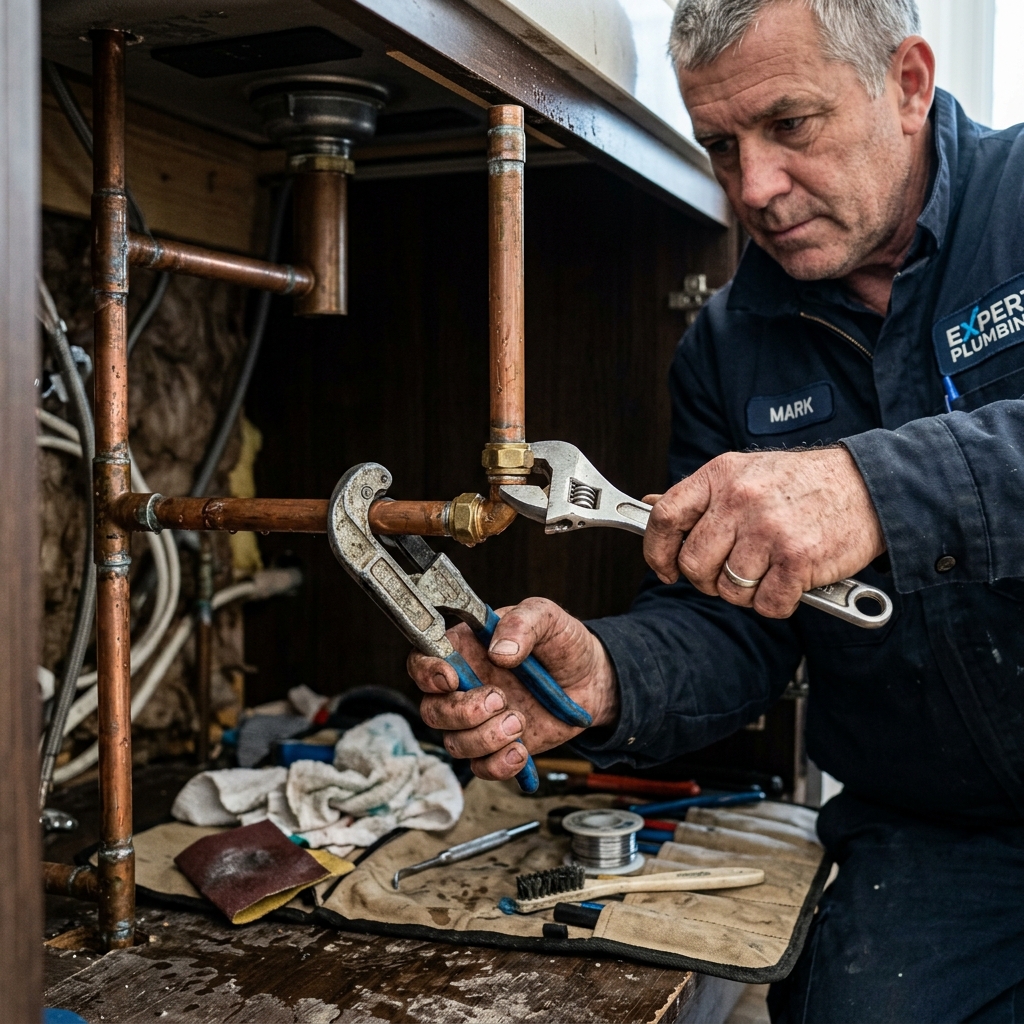
When Rerouting Beats Jackhammering Your Concrete Foundation
Historically, when a home suffered an under-slab pipe leak, the only known solution was to bring a jackhammer into the living room, break through concrete, dig out sand, and patch the pipe. However, in modern residential plumbing, jackhammering is frequently the worst choice for a Melbourne homeowner. Breaking through a monolithic concrete slab introduces substantial risks: it compromises moisture barriers, damages surrounding floor tiles that may be impossible to match, creates fine concrete silica dust throughout living areas, and leaves the rest of that aging subterranean copper line untouched.
An engineered slab leak reroute Melbourne service provides a superior, non-destructive alternative. Instead of disturbing your foundation, we bypass slab leak Melbourne lines completely by capping off the damaged underground section at both ends and abandoning it forever. We then re-route water line Melbourne connections using continuous, high-grade cross-linked polyethylene (PEX) tubing routed overhead through interior drywall cavities and ceiling framing.
Considering an Overhead Pipe Reroute?
Our licensed technicians design clean, code-compliant reroutes that protect your finished floors.
Routing New Lines: Walls, Attics, and Thermal Protection
Executing a successful overhead reroute in Florida requires close attention to regional building science. In Melbourne, summer attic temperatures can easily exceed 130°F, while occasional winter cold snaps can bring chilly overnight temperatures. Professional reroute execution incorporates critical safeguards:
- Premium PEX-a Piping: We install commercial-grade expansion PEX-a piping that boasts superior resistance to chemical oxidation, scale buildup, and pressure surges. PEX also expands slightly under stress, making it exceptionally resilient.
- Thermal Insulation Sleeving: When we reroute pipes through attic Melbourne spaces, all hot and cold lines are encased in high-efficiency closed-cell foam thermal insulation. This ensures cold drinking water does not turn lukewarm in summer heat and protects hot water from heat loss.
- Elevated Trusses & Clean Fastening: Pipes are carefully secured to roof truss chords and wall studs using specialized suspension hangers that allow natural thermal expansion without rubbing against wood or framing members.
- Strategic Wall Drop Locations: Supply lines drop cleanly down through hollow drywall partition walls directly behind vanity cabinets, kitchen sinks, or shower enclosures, minimizing visible drywall access points.
Drywall Access, Coordination, and Patching
A primary homeowner concern regarding an overhead reroute is interior wall modification. Our technicians use surgical precision when creating wall openings:
Rather than tearing out large sections of drywall, we cut neat, square access pockets typically measuring 12 by 12 inches located inside base cabinets or behind toilets where they are naturally concealed. Once the new line is installed, pressure tested, and inspected, we coordinate tidy backing installation and drywall patching so your rooms are swiftly restored to pristine condition. In contrast to concrete demolition, drywall repairs are clean, inexpensive, and completed in days rather than weeks.
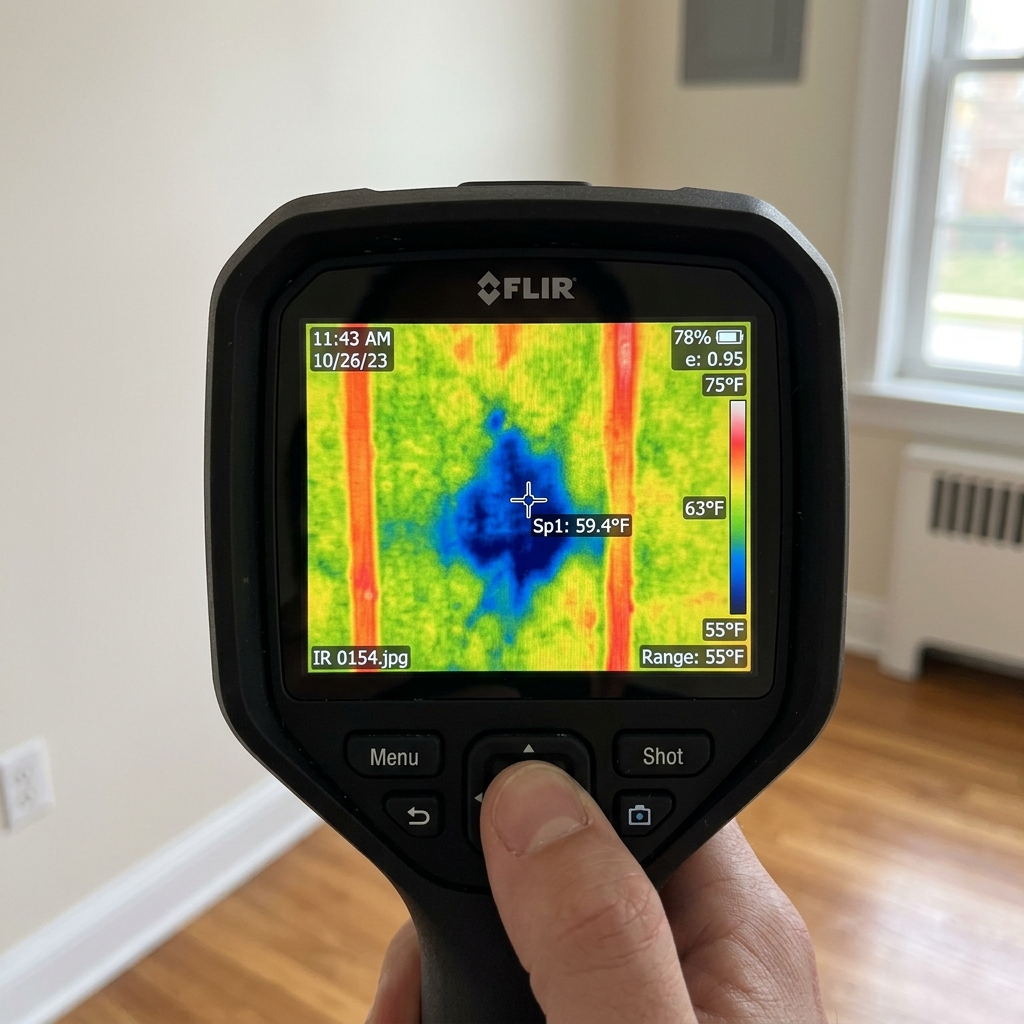
Timeline: How Long Does an Overhead Reroute Take?
One of the greatest benefits of choosing an overhead line bypass is speed of completion:
- Single-Line Reroute (1 Day): Bypassing a single leaking hot or cold supply line connecting your water heater to a kitchen or bathroom cluster is typically completed in 6 to 8 hours. Home water service is safely restored before technicians leave for the evening.
- Multi-Branch or Complete House Reroute (1 to 2 Days): If multiple underground branches are compromised or you elect to transition to a full whole-house repiping layout, work is phased room by room to ensure you retain overnight water service whenever possible.
Permits, Code Compliance, and Florida Building Standards
Plumbing modifications in the City of Melbourne and Brevard County must adhere strictly to the Florida Building Code (Plumbing Edition). Professional line reroutes require official municipal permits, proper mechanical anchoring, code-mandated water hammer arrestors, and formal pressure verification inspections.
Working with licensed foundation plumbing professionals ensures your reroute is fully permitted, documented, and approved by local building officials. This documentation is critical for maintaining property value, ensuring compliance with future home buyers' inspections, and satisfying insurance underwriters.
If your foundation leak has already caused moisture damage or flooring issues, learn about our comprehensive electronic slab leak detection, or read our overview of navigating slab leak insurance documentation. We serve all local neighborhoods described in our Brevard County service areas.
Schedule Your Overhead Slab Leak Reroute
Speak with our Melbourne plumbing team today to bypass failing subterranean lines safely.